Glinka: The Bold Serif for Unforgettable Design
Choosing the right typeface often feels like searching for a missing puzzle piece. You know the image you want to create, but the exact component that brings it all together remains elusive. For projects demanding a blend of classic authority and contemporary punch, Glinka steps forward. This is a premium font that doesn’t just sit quietly on the page; it commands attention with a confident, assertive voice. Whether you are refining a brand identity, crafting a magazine layout, or designing packaging that needs to pop off the shelf, understanding this typeface is a step toward more impactful work.
An Anatomy of Confidence
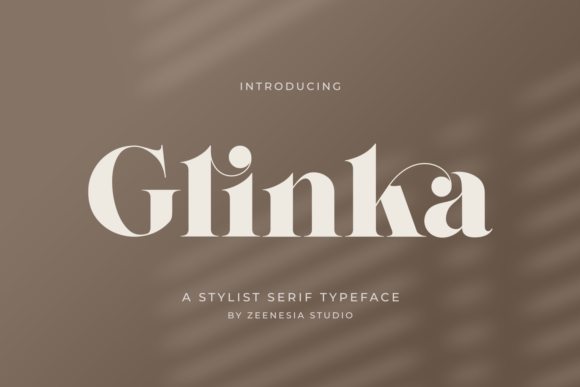
Glinka is a serif font, but it sheds the stuffiness sometimes associated with traditional typefaces. Its visual personality is defined by high contrast—meaning the difference between its thickest and thinnest strokes is dramatic. This characteristic gives it a dynamic, energetic quality that feels at home in modern typography. The letterforms are sturdy and grounded, providing a sense of reliability, yet the sharp details and refined curves inject a level of sophistication that elevates the entire design.
Think of it as the typographic equivalent of a well-tailored suit. It fits perfectly for formal occasions but carries enough style to stand out at a creative event. The structure is robust enough for headlines that need to grab a reader’s eye immediately, yet the spacing and rhythm allow it to function in shorter blocks of text without causing fatigue. It avoids the rigidity of geometric fonts, favoring instead a humanist touch that feels approachable despite its boldness.
Strategic Applications: Where Glinka Shines
The versatility of this display font makes it a valuable asset across a wide spectrum of creative disciplines. It is not merely a decorative choice; it is a strategic tool for visual communication.
Branding and Logo Design
In the crowded marketplace of logo design, distinctiveness is currency. Glinka offers a strong foundation for logos that need to communicate trust and leadership. It works exceptionally well for law firms, architectural studios, luxury retail, and high-end consultancies. Because the font has such a distinct character, it can often serve as the primary visual element of a wordmark, reducing the need for complex graphics. It helps build a brand identity that feels established and authoritative from the very first interaction.
Editorial and Publishing
For editorial design, particularly in magazines, blogs, and book covers, Glinka provides the necessary hierarchy. It draws the reader’s eye to the headline, promising content that is substantial and worth their time. When used for pull quotes or section headers, it breaks up the monotony of body text, creating visual interest and improving the flow of the page. It pairs beautifully with clean, legible body text, acting as the anchor that holds the layout together.
Packaging and Product Design
On the shelf, packaging has only a split second to make an impression. The bold nature of Glinka ensures that product names and key features are legible from a distance. It is an excellent choice for packaging design where the goal is to convey quality and substance. Whether it is a coffee bag, a skincare bottle, or a gourmet food label, this font adds a layer of perceived value to the product.
Digital Presence and Social Media
In the realm of web design and social media graphics, screen legibility is paramount. Glinka is designed to render cleanly on digital displays, maintaining its sharp edges even at smaller sizes. It is a powerful tool for creating scroll-stopping social media posts. Its assertive nature ensures that your message isn't lost in the noise of a busy feed. For websites, it creates a strong visual hierarchy, guiding users through the content intuitively.
The Mechanics of Influence
Typography is rarely just about aesthetics; it is about psychology. The fonts you choose influence how your audience perceives your message before they even read the words. Using a typeface like Glinka can significantly impact several key areas of your project.
First, it establishes visual hierarchy. By using Glinka for primary headings and pairing it with a softer sans serif font for body text, you create a clear roadmap for the reader. They instantly know what is most important and where to direct their attention. This reduces cognitive load and makes your content more accessible.
Second, it shapes brand perception. Fonts carry cultural baggage and emotional weight. The high-contrast, sharp nature of this creative font suggests precision, expertise, and modernity. If you want your brand to be seen as an industry leader or a trendsetter, this typeface aligns with that goal. Conversely, if you paired it with a handwritten font or a script font, you could soften the look to create a balance between professionalism and approachability.
Finally, consistency is key to recognition. When you utilize a versatile typeface family across your touchpoints—from your website headers to your email signatures and printed invoices—you create a cohesive experience. Glinka’s adaptability means it can handle the transition from digital to print seamlessly, ensuring your brand identity remains intact regardless of the medium.
Practical Guide to Implementation
Adopting a new font into your workflow requires more than just a download. To get the most out of Glinka, consider these practical steps for integration.
- Evaluating the Fit: Before committing, look at the personality of your project. Does it require warmth and friendliness, or authority and clarity? Glinka leans toward the latter. If your project is whimsical or overly casual, this might not be the right match. However, for anything requiring a touch of class or impact, it is an ideal candidate.
- Exploring Font Pairings: No font is an island. Glinka shines brightest when paired correctly. It works well with geometric sans serifs (like Futura or Montserrat) for a modern, clean look. It also pairs nicely with humanist sans serifs (like Gill Sans) for a more organic feel. Avoid pairing it with other high-contrast serif fonts, as they will compete for attention. The goal is contrast and harmony, not conflict.
- Reviewing Styles and Weights: A premium font often comes with a range of weights and styles. Check if the Glinka package includes italics, bolds, and condensed versions. Having these variations allows you to create more nuanced designs. For example, using a condensed version for subheadings can save space while maintaining the style.
- Testing for Readability: While Glinka is designed for impact, always test it in the context of your specific layout. View it on different screens and print a proof. Ensure that the tracking (letter spacing) is appropriate for your background color and paper texture. Good design is invisible; bad typography is a distraction.
- Understanding Licensing: Finally, ensure you have the correct commercial font license. If you are using it for a client, a product for sale, or a high-traffic website, a desktop license is usually required. Respecting licensing ensures you have access to updates and support, and it keeps your practice professional.
Glinka is more than just a collection of letters; it is a design asset that brings structure and strength to your work. By understanding its character and applying it thoughtfully, you can transform a standard layout into something memorable. Whether you are a seasoned designer or a business owner managing your own marketing, this typeface offers a reliable way to communicate with clarity and style.