Please Dream: A Serif Font That Balances Elegance and Edge
When you’re building a brand or crafting a visual identity, the typeface you choose does more than just display words—it sets a tone. I’ve worked on enough projects to know that finding a font that feels both contemporary and timeless, elegant but not stuffy, is a genuine challenge. That’s where a font like Please Dream enters the conversation. It’s a modern serif that doesn’t just sit quietly on the page; it makes a considered statement.
The Visual Character: Where Modernity Meets Classic Charm
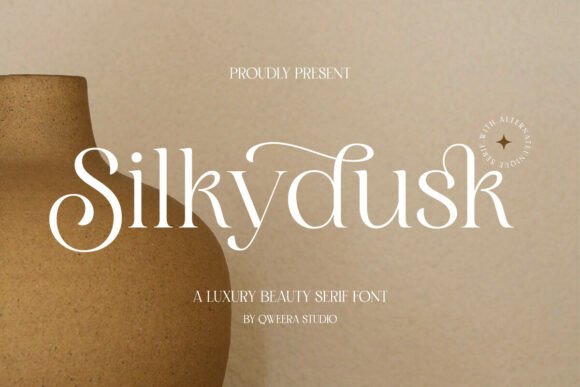
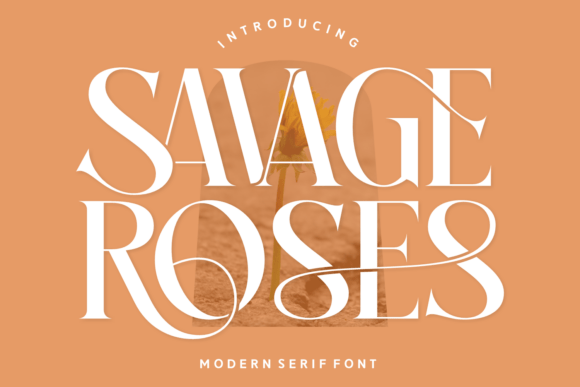
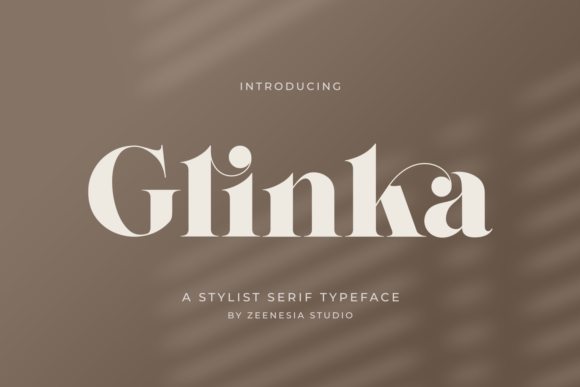
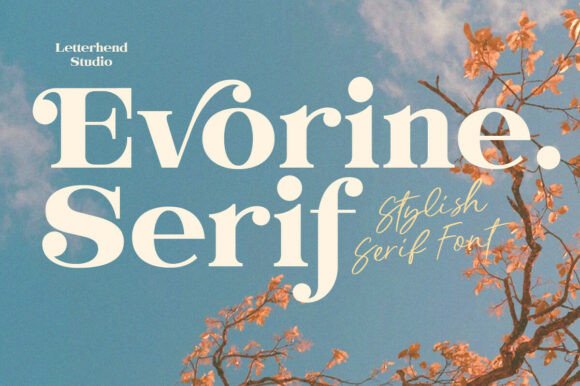
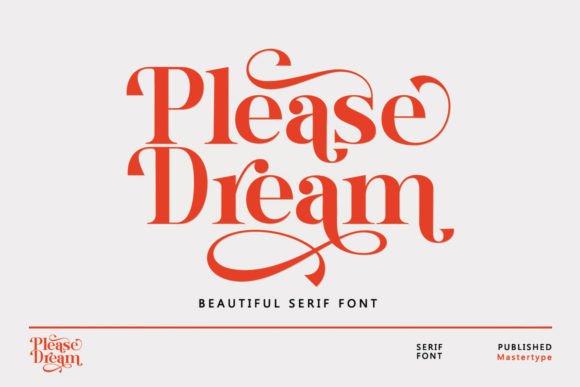
At first glance, Please Dream presents a refined elegance. Its serifs are clean and purposeful, offering the traditional stability and readability we expect from a serif font. But look closer, and you’ll notice the modern typography influences. The letterforms have a subtle geometric quality, with thoughtful curves and a confident weight that avoids feeling overly decorative or rigid.
This duality is its strength. It possesses a bold charm that works for impactful headlines in editorial design or magazine layouts, yet it retains enough sophistication for elegant wedding invitations or luxury packaging design. The personality is versatile—it can feel retro-inspired when paired with the right color palette and textures, or thoroughly contemporary in a minimalist setting. It’s a creative font that adapts to the designer’s intent rather than dictating it.
Practical Applications: From Brand Identity to Personal Projects
Understanding a font’s personality is one thing; knowing where it delivers real value is another. Here’s where Please Dream tends to shine, based on practical use cases:
For Branding and Commercial Design
This is a premium font built for creating memorable brand identity. Its distinctiveness helps logos and wordmarks stand out without resorting to trendy gimmicks that quickly date. For entrepreneurs and small business owners, using a commercial font like this signals professionalism from the first touchpoint. Think of business cards, website headers, and product labels where a touch of class is non-negotiable.
In Digital and Print Media
For web design, it functions beautifully as a display heading font, drawing the eye in blog posts or landing pages. In social media graphics, it cuts through the noise with a polished look that elevates a brand’s visual feed. For publishers and bloggers, it’s a workhorse for editorial design, offering strong readability for pull quotes and subheadings while maintaining a cohesive aesthetic throughout a publication.
Creative and Personal Endeavors
Don’t mistake its sophistication for being only for corporate use. Its extensive glyph library makes it a fantastic tool for crafters and hobbyists. Designing stickers, printable art, or custom stationery becomes more intuitive with a font that offers variety. The availability of alternative styles and ligatures allows for personalized touches in projects that demand a handcrafted feel, without the inconsistency of an actual handwritten font.
Working With Please Dream: A Designer’s Perspective
Choosing a font is the start. Using it effectively is the craft. Here are some practical considerations for integrating this display font into your workflow.
Evaluating Project Fit and Readability
First, consider the primary medium. While Please Dream is legible, its personality is best suited for larger text sizes—headlines, titles, and short bursts of impactful copy. For body text, especially in long-form digital reading, pairing it with a clean sans serif font is a wise strategy. This creates a clear visual hierarchy: Please Dream commands attention, while the sans serif handles the heavy lifting of readability in paragraphs.
Exploring Font Pairings and Included Styles
A great font pairing feels like a conversation. Test Please Dream alongside a neutral, geometric sans serif. The contrast in structure—serif vs. sans, detailed vs. clean—often creates a dynamic and professional layout. Don’t overlook the font’s own toolkit. Being PUA-coded means the alternate characters and ligatures are easily accessible. Experiment with these in logo design or headline treatments to create a unique lockup that feels custom-made. This is where the font transitions from a simple asset to a cornerstone of your design assets library.
Licensing and Consistency
Before finalizing any project, especially a commercial one, verify the licensing terms. A reputable commercial font will have clear guidelines for use across digital and print, ensuring your brand’s visual presentation remains consistent and legally sound across all touchpoints—from your website to your packaging.
Ultimately, a typeface like Please Dream is a tool for intention. It doesn’t just fill space; it helps shape perception, build recognition, and add a layer of considered artistry to your work. Its value lies in its ability to bridge different styles, making it a versatile and intelligent addition to any designer’s or creator’s toolkit.