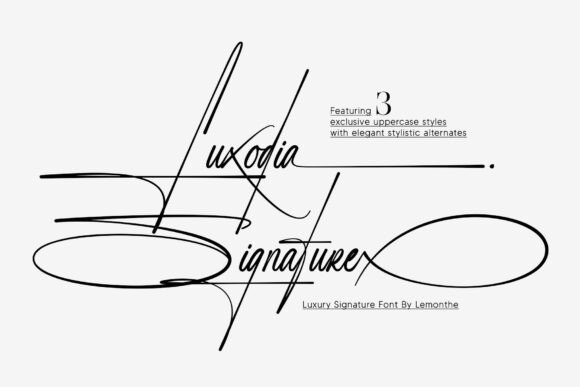
Luxodia Signature: Crafting Distinctive Brand Identities
In the crowded landscape of digital design, the typography you choose often speaks louder than the words themselves. For creators aiming to bridge the gap between modern minimalism and classic luxury, Luxodia Signature offers a compelling solution. This premium font is not merely a collection of letters; it is a design asset engineered to inject personality and sophistication into visual projects. By combining flowing strokes with refined curves, this typeface manages to feel both personal and polished, making it an invaluable tool for anyone looking to elevate their creative output.
The Anatomy of a Modern Luxury Typeface
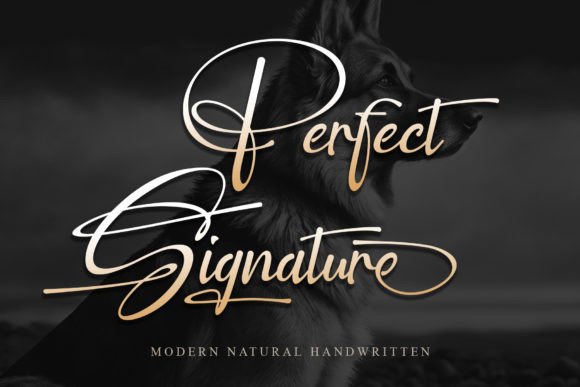
At its core, Luxodia Signature is defined by its versatility. Unlike standard script fonts that can sometimes feel rigid or overly casual, this collection features three distinct uppercase styles. This variety allows designers to move beyond static templates and create compositions that feel organic. The visual characteristics lean towards a high-contrast aesthetic, where thick and thin strokes interplay to create a rhythm on the page. This dynamic movement is essential for logo design and branding, where a static image needs to convey a sense of energy and quality.
The inclusion of stylistic alternates is where this typeface truly shines. In practical application, using the same letterforms repeatedly can make a logo or header feel repetitive. Luxodia Signature solves this by allowing you to mix and match different endings and swashes. This feature is particularly useful for creating custom wordmarks. For instance, a wedding photographer might use a more elaborate, flowing style for the first letter of a client's name while keeping the rest of the word clean and legible. This balance between decoration and readability is the hallmark of modern typography, ensuring that the design remains functional while still being visually striking.
Strategic Applications Across Industries
Understanding where to deploy a creative font like Luxodia Signature is just as important as the design itself. Its aesthetic is perfectly suited for industries that rely on trust, elegance, and visual appeal.
- Fashion and Beauty: The font’s refined curves mirror the aesthetics of high-end apparel and cosmetics. It works exceptionally well on lookbooks, social media graphics, and product packaging where a sense of luxury is paramount.
- Publishing and Editorial Design: For bloggers and magazine editors, using Luxodia Signature for pull quotes or cover headlines can instantly elevate the perceived value of the content. It provides a necessary contrast to the body text, helping to establish a clear visual hierarchy.
- Product Packaging: In a retail environment, shelf appeal is everything. This font communicates quality immediately, making it ideal for artisanal goods, stationery, and boutique products.
However, context matters. While Luxodia Signature excels as a display font for headlines and logos, it is not designed for long-form body copy. Its intricate details are meant to be admired at larger sizes. A common mistake among new designers is using decorative script fonts for paragraphs, which leads to eye strain. Instead, pair this typeface with a clean sans serif font or a legible serif font for the body text to ensure your message is accessible to everyone.
Improving Brand Perception and Engagement
Typography has a profound psychological impact on an audience. When a potential customer encounters a brand using a premium font like Luxodia Signature, they subconsciously associate the business with professionalism and attention to detail. This is a core component of brand identity; consistency in typography builds recognition over time.
Consider the user experience on a website. If a landing page uses a generic, system-default font for its headers, it may feel impersonal or unfinished. Swapping that out for a distinct typeface can change the emotional tone of the page entirely. It suggests that the business cares about aesthetics and, by extension, cares about the quality of their service or product. This subtle shift in perception can significantly impact engagement rates, encouraging users to spend more time exploring your content.
Practical Tips for Implementation
To get the most out of Luxodia Signature, approach it as you would any other design asset. Here are a few practical recommendations for integrating it into your workflow:
- Evaluate the Pairing: Because Luxodia Signature has a strong personality, it requires a quiet partner. Pair it with a geometric sans serif for a modern, tech-forward look, or with a transitional serif for a more traditional, editorial feel. Avoid pairing it with other decorative fonts, as this creates visual chaos.
- Test for Legibility: Before finalizing a logo, test it at the size it will most frequently be viewed. Ensure that the connection between letters remains clear, especially in digital contexts like mobile screens or favicons.
- Check Licensing: Always verify the commercial font licensing terms before using the typeface in client work, merchandise, or app development. Ensuring compliance protects both you and your client from legal issues down the road.
Ultimately, Luxodia Signature is a tool for expression. Whether you are designing a wedding invitation, launching a new skincare line, or refreshing a corporate brand, this font provides the flexibility to create something that feels uniquely yours. By leveraging its alternate characters and distinct styles, you can move beyond generic templates and produce typography that resonates with your audience on an emotional level.