Space: Injecting Contemporary Coolness into Your Designs
When you first encounter Space, the immediate reaction is often a double-take. It isn’t just another script font attempting to mimic a marker or a brush pen; it is a distinct typeface that bridges the gap between the chaotic energy of street art and the precision of modern typography. As a premium font, it captures a specific moment in design history—where rebellion meets sleek execution. If you are looking to infuse a project with a sense of youthfulness and "cool" without sacrificing legibility, this is the asset you need to explore.
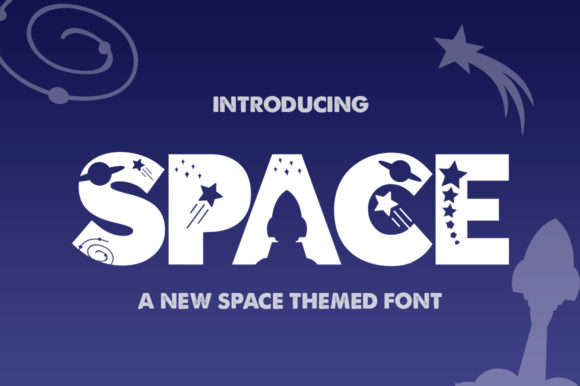
The defining characteristic of this creative font is its refusal to sit still. The letters possess a dynamic quality, often leaning forward with an italicized momentum that suggests movement. The baseline is fluid, mimicking the natural variance of a human hand, yet the letterforms are drawn with enough weight to stand their ground on a busy layout. It is a script font that avoids the pitfalls of being too thin or too ornate. Instead, it offers a robust structure that holds up well in both digital and print environments. The "space themed flair" mentioned in its description isn't necessarily about rockets and planets, but rather about the negative space within and around the letters—allowing the design to breathe.
The Personality of the Typeface: Who is it Speaking To?
Every font tells a story, and the narrative of Space is one of confidence. It speaks directly to a demographic that values authenticity and trend-awareness. For the 20 to 50-year-old audience, this font resonates because it feels familiar yet fresh. It evokes the nostalgia of 90s graffiti but is polished enough for a contemporary tech startup or a boutique fashion label. It is the typographic equivalent of a perfectly curated playlist—energetic, modern, and undeniably stylish.
For brand identity work, this font is a game-changer for specific niches. If you are building a brand for a streetwear line, a music festival, a skateboard shop, or a high-energy fitness studio, Space provides the perfect visual voice. It suggests that the brand is approachable and fun, but also serious about its aesthetic. It tells the audience, "We are creative, and we don't take ourselves too seriously, but we know exactly what we are doing." This balance is difficult to strike, but this display font manages it with ease.
Practical Applications: Where Space Truly Shines
Understanding where to deploy a font like Space is just as important as selecting it. Because of its high-energy visual characteristics, it functions best as a headline or accent font rather than a body text solution. In web design, using this font for hero section headers or call-to-action buttons can immediately draw the user's eye. It creates a focal point that guides the user through the page, establishing a clear visual hierarchy that separates the important information from the background noise.
In the realm of packaging design, this typeface excels at grabbing attention on crowded shelves. Imagine a minimalist coffee bag or a vibrant energy drink can; Space adds that necessary pop of personality that makes a consumer reach out and pick up the product. It works particularly well for products targeting a younger demographic or those marketed as "artisanal" or "indie." The handwritten quality implies a human touch, which is a powerful psychological trigger in marketing.
For social media graphics, the font is incredibly versatile. The fast-paced nature of platforms like Instagram and TikTok requires visuals that communicate instantly. A bold, swashy script like Space can convey an emotion or a mood in milliseconds. Whether you are creating story templates, quote graphics, or sale announcements, this font ensures your message isn't just read—it is felt. It pairs exceptionally well with clean sans serif fonts, allowing the script to do the heavy lifting while the sans-serif provides necessary structural support.
Technical Considerations and Font Pairing
While the aesthetic appeal is obvious, the practical application of Space requires a strategic approach to font pairing. Because the font is stylistically bold, pairing it with another expressive typeface—like a heavy serif font or a decorative handwritten font—can result in visual clutter. The golden rule with high-contrast scripts is to pair them with something neutral. A geometric sans-serif or a grotesque typeface provides the perfect counterbalance. This contrast allows the personality of Space to shine without overwhelming the viewer.
When evaluating the fit for your project, pay close attention to readability. As a modern typography asset, it handles uppercase and lowercase combinations differently. Test how your specific headlines look. Sometimes, the "flair" on a capital letter might clash with the next lowercase letter depending on the software you are using. Most high-quality versions of fonts like this come with OpenType features or alternate characters. If you are a designer, accessing these ligatures is crucial for a polished look. For non-designers using tools like Canva, ensure you aren't stretching the font, which can distort the intended stroke weight and ruin the aesthetic.
Licensing and Long-Term Use
If you are a small business owner or a content creator, the shift from free fonts to a commercial font is a significant step in professionalizing your brand. Free fonts often come with licensing gray areas that can cause legal headaches down the road. Investing in a legitimate license for Space not only supports the type designers who created it but also ensures you have the legal right to use it across all your commercial endeavors—from your website to your merchandise.
Before purchasing, review the license types. If you are a freelancer, you might need a license that covers client work. If you are an agency, you need a license that covers multiple users or desktops. This due diligence is part of the professional workflow. Treat your fonts like any other design asset; they are tools that help you generate revenue and build brand identity.
Editorial and Creative Design Nuances
Beyond branding and marketing, Space finds a comfortable home in editorial design. Imagine a magazine spread for a music review or a lifestyle feature; drop caps and pull quotes set in this typeface can break up the monotony of standard body copy. It adds a rhythm to the layout, creating visual interest that keeps the reader engaged. However, restraint is key. Overusing a script font in editorial work can make a publication look amateurish. Use it strategically to highlight key themes or to bridge sections of content.
For logo design, this font serves as an excellent starting point, but rarely the final destination. A good logo requires uniqueness. While Space provides the vibe, a skilled designer will often modify the letterforms, connect specific characters, or adjust the kerning to create a custom lockup. This ensures that while the font provides the "cool" factor, the final logo is distinct enough to be trademarked and recognized instantly.
Ultimately, the appeal of Space lies in its ability to communicate energy. In a digital landscape saturated with sterile, corporate sans-serifs, this font offers a breath of fresh air. It is a tool for those who want their projects to feel alive, contemporary, and connected to the culture of today. Whether you are designing a wedding invitation for a modern couple or a header for a tech blog, this typeface offers the versatility and style to elevate your work from ordinary to memorable.