Stone: The Font That Brings Rugged Strength to Your Designs
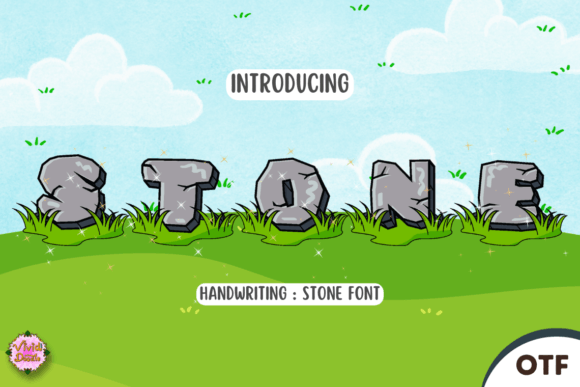
When you need a typeface that doesn't just speak but declares, Stone enters the scene. This is not a font that whispers; it's a bold display font designed to make an immediate, physical impression. Imagine the letters carved from solid granite or stacked from river rocks—each character possesses a weight and texture that feels tangible. Stone isn't about delicate curves or subtle serifs. It's about presence. Its letterforms are deliberately chunky, with irregular edges and a sense of uneven, natural stacking that mimics geological formations. This gives your headlines a unique, almost primal energy, perfect for projects where you want your message to feel grounded, durable, and impossible to ignore.
Where Stone Truly Shines: From Posters to Branding
The strength of Stone lies in its specialized application. It's a creative font built for impact, not for body text. Think of it as the typographic equivalent of a sledgehammer—it delivers a powerful blow but isn't for delicate surgery. This makes it exceptionally effective for logo design and brand identity projects where a company wants to convey strength, reliability, or a connection to nature and craftsmanship. A construction firm, an outdoor adventure brand, a rugged apparel line, or a craft brewery could use Stone to immediately communicate their core ethos without a single word of copy.
Beyond logos, its personality makes it a standout choice for packaging design—imagine it on a box for artisanal tools or a premium coffee bag. In editorial design, it can anchor a magazine cover or a chapter title in a book about history or exploration. For web design, use it sparingly for hero section headlines or key call-to-action statements to create a dramatic focal point. Its textured appearance also translates well to social media graphics, event posters, and apparel mockups, where a sans serif font or script font might feel too generic. Stone adds instant character to any project that needs to stand out in a crowded visual landscape.
Making Stone Work for You: Practical Design Choices
Integrating a display font like Stone into your work requires a thoughtful strategy. Its most critical role is in establishing visual hierarchy. Because Stone is so dominant, it naturally draws the eye, making it the perfect candidate for main headings and titles. Pair it with a clean, highly readable serif font or a neutral sans serif font for body copy. For example, a combination of Stone for headlines and a font like Open Sans or Lora for paragraphs creates a balanced, professional contrast where each typeface does its job without competing. This is the essence of effective font pairing.
Before committing, always test the font in context. Check its readability at the sizes you'll use. While it's designed for impact, ensure the unique letterforms don't cause confusion, especially in shorter words. Review the full character set of this premium font—does it include the punctuation, numbers, and accented characters your project requires? Also, consider the licensing. If you're using it for a commercial project, like a client's logo design or a product you sell, you must ensure you have the correct commercial font license. This is a non-negotiable step for professional work.
A Note on Brand Perception and Consistency
Using a distinctive typeface like Stone does more than decorate; it shapes brand perception. It tells your audience something about who you are before they read a word. The rugged, stable quality of Stone can foster a sense of trust and endurance. However, this strong personality must be used consistently to build recognition. If Stone is your primary display font, use it across all your key touchpoints—your website headers, your business cards, your promotional materials—to create a cohesive and memorable brand identity. Inconsistency weakens the impact and can confuse your audience.
Ultimately, Stone is a powerful tool in your design assets collection. It's not for every project, but when the brief calls for boldness, stability, and a touch of the elemental, it can transform your work. It’s a modern typography choice that feels timeless because it draws from something ancient: the enduring strength of stone itself. By applying it strategically and pairing it wisely, you can leverage its unique character to make your message not just seen, but felt. It stands tall, and in doing so, helps your designs do the same.