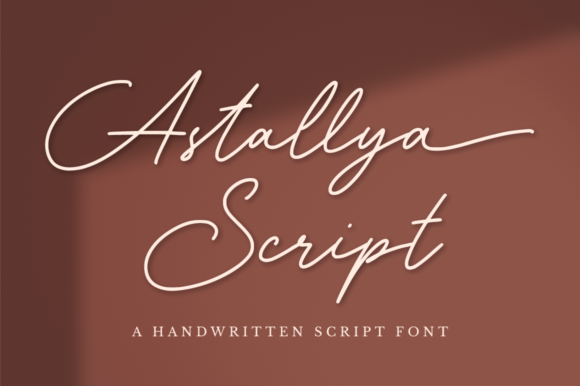
Astallya: The Modern Calligraphy Font for Elegant Design
There's a certain magic in a font that feels both timeless and fresh. Astallya captures that balance perfectly. It’s a modern signature font that takes the flowing grace of classic calligraphy and injects it with contemporary energy. You’ll notice it immediately in its dancing baseline—the way the letters seem to move with a gentle, organic rhythm, avoiding the rigid uniformity of more traditional scripts. This isn’t a dusty, old-fashioned script; it’s a typeface built for today’s creative projects, offering a sophisticated yet approachable elegance that can elevate a wide range of designs.
Where Astallya Truly Shines: Practical Applications
Understanding a font’s personality is one thing; knowing where to deploy it is where the real strategy comes in. Astallya’s blend of elegance and modern flair makes it a versatile design asset, but it excels in specific contexts where its character can be fully appreciated without compromising function.
For brand identity, Astallya is a powerful tool for creating an immediate impression. It’s a natural fit for businesses that want to project sophistication, creativity, and a personal touch. Think of a boutique florist, a high-end wedding planner, a specialty coffee roaster, or a artisan jewelry maker. Using Astallya for a primary logo or monogram can establish a luxurious and memorable visual identity. It works beautifully for logo design, especially when paired with a clean, geometric sans serif font for supporting text, creating a perfect contrast between expressive flair and readable clarity.
In editorial design and publishing, Astallya can serve as a striking display font. It’s ideal for magazine headlines, chapter titles in books, or featured pull quotes that need to draw the reader’s eye. For bloggers and content creators, it can transform a standard header into something special, adding a layer of personal branding to a website or digital publication. The key is to use it sparingly and at larger sizes where its intricate details can be seen, ensuring it enhances rather than hinders the reading experience.
The font’s charm also translates effectively into packaging design. For products like cosmetics, gourmet foods, or artisanal candles, Astallya can communicate quality and craftsmanship on the label. Its PUA encoding is a practical advantage here, allowing you to easily access a wealth of alternate glyphs and ligatures to customize letter combinations, ensuring the script flows perfectly and avoids awkward joins in a product name or tagline.
Digital spaces are another strong suit. Social media graphics, especially for Instagram stories, Pinterest pins, or promotional posts, benefit from a creative font that stops the scroll. Astallya’s dynamic baseline makes it perfect for short, impactful text overlays on images or for creating elegant quote graphics. In web design, it’s best used for hero section headlines or specific call-to-action phrases, not for body copy. Its character makes it a fantastic choice for event websites, online portfolios for creatives, or landing pages for premium services.
Making Astallya Work for You: A Designer's Perspective
Choosing a premium font like Astallya is an investment, and like any design asset, its effectiveness depends on thoughtful application. Here’s some practical guidance to integrate it successfully into your work.
First, always consider your audience and project goals. Astallya communicates elegance and personality. It’s perfect for a personal brand, a luxury product, or a creative service. It might not be the right choice for a corporate financial report or a children’s educational workbook where absolute clarity and a neutral tone are paramount. Evaluate the mood you need to set before committing.
Font pairing is critical. Because Astallya is a detailed script font, it demands a partner that provides balance. A strong, simple serif font can create a classic, editorial feel, while a clean sans serif font offers a modern, minimalist counterpoint. Avoid pairing it with other ornate or busy handwritten fonts, as this will create visual chaos. Use Astallya for headings and your chosen companion for subheadings and body text to establish a clear visual hierarchy.
Test its readability in context. While beautiful, script fonts can be challenging at small sizes or in long paragraphs. Use Astallya where it can breathe—typically at larger sizes for titles, logos, or short phrases. Always conduct a quick readability test on both screen and print mockups to ensure the dancing baseline doesn’t compromise legibility for your specific use case.
Finally, explore all its features. That wealth of special features including alternate glyphs and ligatures isn’t just a list on a font specimen sheet; it’s a toolkit. Swapping an alternate “b” or connecting letters with a unique ligature can solve spacing issues and add a custom, hand-lettered feel to your design. Take the time to experiment with these options in your design software to unlock the font’s full potential.
When you bring a typeface like Astallya into your library, you’re adding more than just a set of letters. You’re adding a voice—a specific tone that can influence brand perception, guide viewer engagement, and make your work stand out. Used with intention, it becomes a valuable part of your creative toolkit for projects that call for a touch of modern elegance.