Hand Real: Elevating Your Design with a Thin Handwritten Font
There is a specific challenge in modern design: how do you inject personality into a layout without sacrificing the clean, minimalist aesthetic that audiences currently prefer? Heavy, looping calligraphy can often clutter a design, while standard sans serif fonts can feel too sterile. This is where Hand Real enters the conversation. As a thin and fashionable handwritten font, it occupies that difficult middle ground between casual intimacy and professional polish. It doesn’t scream for attention; rather, it invites the viewer in with a subtle, sophisticated charm. If you are looking to create a visual language that feels both personal and high-end, understanding the nuances of this typeface is essential.
The Anatomy of a "Thin" Handwritten Style
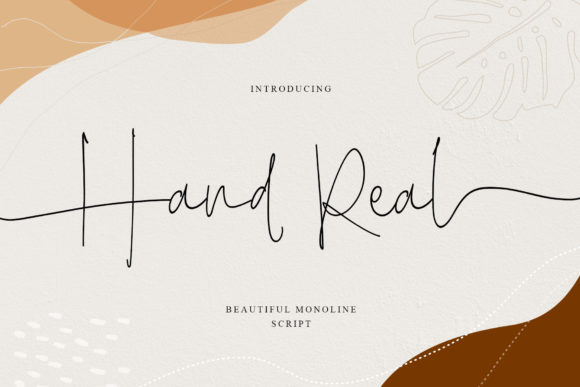
When we describe Hand Real as a "thin" font, we are talking about more than just the weight of the lines. In typography, the weight of a stroke dictates the visual texture of the page. Unlike heavy brush scripts that can feel aggressive or overly rustic, the lightness of this particular handwritten font creates an airy, breathable layout. This makes it an exceptional display font for headlines where you want the typography to feel organic but not overpowering.
The visual characteristics of Hand Real lean towards a modern, vertical slant with consistent, delicate strokes. It avoids the erratic baseline shifts found in grunge fonts, offering a "fashionable" stability. This stability is crucial for brand identity. When a customer sees a logo or header set in Hand Real, they subconsciously register the brand as modern, approachable, and detail-oriented. It is the typographic equivalent of a tailored linen suit—relaxed, yet undeniably put-together.
Strategic Applications: From Wedding Invitations to UI
The versatility of Hand Real is its strongest asset. Because it is a premium font with high legibility, it transcends the limitations of many other script typefaces. Here is how you can leverage this typeface across different mediums:
Editorial and Stationary Design
In the realm of packaging design and editorial design, white space is a luxury. Hand Real respects that space. For wedding invitations, it offers a romantic, soft aesthetic that pairs beautifully with cotton cardstock and letterpress printing. However, its utility extends far beyond the altar. For bloggers and publishers, this font is perfect for pull quotes or article titles. It breaks up the monotony of body text (usually set in a serif font or sans serif font) and adds a human touch to digital magazines or newsletters.
Digital Presence and Social Media
Social media algorithms favor engagement, and engagement often comes from content that feels "human." Corporate, rigid typography often gets scrolled past. By using Hand Real for Instagram stories, Pinterest pins, or YouTube thumbnails, you create an immediate emotional connection. It works exceptionally well for social media graphics because its thin structure ensures that it remains legible even on smaller mobile screens, provided the contrast against the background is sufficient.
Web Design and Branding
In web design, typography hierarchy is the roadmap for the user's eye. You cannot use a script font for your body copy, but you absolutely should use Hand Real for your navigation sub-headers or hero image overlays. It provides a necessary contrast to a geometric sans serif font used for the main content. For entrepreneurs building a brand identity, this font serves as a fantastic accent typeface. It suggests creativity and individuality—perfect for lifestyle brands, boutique agencies, or artisanal products.
Mastering Font Pairings and Visual Hierarchy
The true test of a creative font is how well it plays with others. Hand Real is not meant to stand alone; it is designed to complement. A common mistake in logo design and layout is pairing two expressive fonts together, which creates visual noise. Instead, you should treat Hand Real as the seasoning, not the main course.
The Serif Combination: Pairing Hand Real with a classic, high-contrast serif font (like a Didot or a Garamond variation) creates an look that is timeless and elegant. This is ideal for luxury branding, fashion lookbooks, or high-end stationary art. The serif provides the structure, while Hand Real provides the flair.
The Sans Serif Combination: For a more contemporary, startup-friendly vibe, combine Hand Real with a clean, geometric sans serif font. This pairing is excellent for web design and tech branding. The handwritten element softens the clinical feel of the sans serif, making the technology feel more accessible.
Practical Evaluation: Testing and Licensing
Before you commit Hand Real to your final design assets, you need to conduct a rigorous evaluation process. First, check the x-height and kerning. While it is a handwritten font, the spacing between letters should be optically balanced so that words don't look like they are falling apart. Test the font in all caps as well as lowercase; some script fonts struggle with capital letters, but a quality commercial font will include alternate characters or swashes to make capitals flow naturally into the rest of the word.
Next, consider the font pairing in context. Mock up a landing page or a physical postcard. Does the weight of Hand Real clash with the weight of your body text? You may need to adjust the font size or the line height (leading) to ensure the two styles sit comfortably on the baseline.
Finally, understand the licensing. Since Hand Real is a premium font, it likely comes with specific terms regarding commercial use. If you are a small business owner using this for merchandise or a client project, ensure your license covers the print run or the number of digital impressions required. Respecting the creator's licensing terms ensures you have access to future updates and support, securing the longevity of your modern typography stack.
In conclusion, Hand Real is more than just a collection of vector paths; it is a tool for connection. By utilizing its thin, fashionable aesthetic, you can bridge the gap between digital sterility and human warmth, creating designs that resonate deeply with your audience.