Belagia Script: A Designer's Guide to Elegant Typography
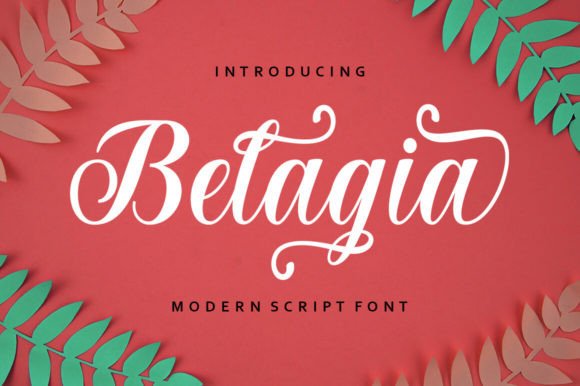
When you first encounter Belagia, you immediately sense its character. This isn't just another script font; it's a carefully crafted typeface that balances organic flow with precise design. The letterforms carry a natural, handwritten quality that feels authentic rather than overly stylized. What makes Belagia stand out in the crowded world of premium fonts is its versatility—it manages to be both elegant and approachable, making it suitable for a wide range of creative applications without losing its distinctive personality.
The Visual Language of Belagia
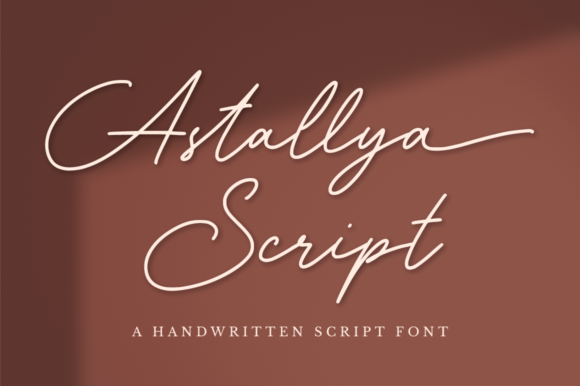
Belagia's design draws from traditional calligraphic roots but interprets them through a modern lens. The strokes vary naturally in weight, creating a rhythm that guides the eye across the page. You'll notice subtle connections between letters that feel organic, not forced. The overall texture of the typeface has a warmth that digital fonts often lack. This quality makes it particularly effective for projects where you want to convey authenticity and craftsmanship. As a script font, it maintains excellent readability at various sizes, which isn't always the case with decorative typefaces. The alternative styles included with Belagia provide additional creative flexibility, allowing designers to fine-tune the font's expression to match specific project needs.
Where Belagia Truly Shines
Understanding where a font works best comes from practical experience. Through numerous projects, I've found that Belagia excels in contexts where human connection matters. For logo design, it creates memorable brand marks that feel personal yet professional. In packaging design, it adds a touch of elegance that elevates product presentation without overwhelming other design elements. Wedding invitations and event stationery benefit from its romantic, flowing nature. When used for social media graphics, Belagia helps content stand out in crowded feeds with its distinctive character.
Consider how this creative font performs across different mediums. In print applications like business cards or letterheads, it conveys sophistication. For digital use in web design headers or email newsletters, it maintains its charm while remaining legible on screens. Photographers appreciate it for watermarks that don't distract from their work. Small business owners find it valuable for creating cohesive brand identities across multiple touchpoints—from product labels to marketing materials. The key is matching the font's personality with your project's emotional goals.
Typography That Works for Your Brand
Choosing the right typeface involves more than aesthetics. With Belagia, you're selecting a design asset that can influence how audiences perceive your brand. The font's elegance suggests quality and attention to detail. Its readability ensures your message gets communicated clearly. When paired thoughtfully with a clean sans serif font or a sturdy serif font, Belagia can create effective visual hierarchies that guide readers through your content naturally.
Before committing to any font for a project, I always recommend testing it in context. Try Belagia with your actual content, not just placeholder text. Check how it looks at different sizes and on various backgrounds. Review the alternative styles included—sometimes a subtle variation in letterforms makes all the difference. For commercial projects, ensure you understand the licensing terms. Most importantly, consider whether the font's personality aligns with your brand voice. A handwritten font like Belagia communicates differently than a geometric sans serif, and that communication should support your overall messaging strategy.
When working with clients on brand identity projects, I often use Belagia as a secondary typeface for accents, quotes, or special emphasis. It pairs beautifully with neutral typefaces, creating visual interest without sacrificing professionalism. For publishers and content creators, it offers a way to add personality to layouts while maintaining consistency across different pieces. The font's versatility across Adobe InDesign, Illustrator, Photoshop, and CorelDRAW makes it accessible to most design workflows.
Practical Considerations for Real Projects
Every font has its strengths and limitations. With Belagia, the main consideration is context. While it works beautifully for headlines, logos, and short text blocks, it's generally not suited for long body copy where maximum readability is essential. Think of it as a specialty tool in your typography toolkit rather than a workhorse for all text needs. The alternative styles included provide options for different moods—some more formal, others more casual—so you can adapt the font to various situations while maintaining visual consistency.
For entrepreneurs and small business owners building their visual identity, investing in a quality typeface like Belagia can pay dividends. It helps create a professional appearance that builds trust with customers. When combined with thoughtful color palettes and complementary design elements, it contributes to a cohesive brand experience. Remember that good typography isn't about using the most expensive or trendy font—it's about choosing typefaces that serve your communication goals effectively. Belagia's strength lies in its ability to add human warmth and elegance to designs, making it a valuable asset for projects where personal connection matters most.