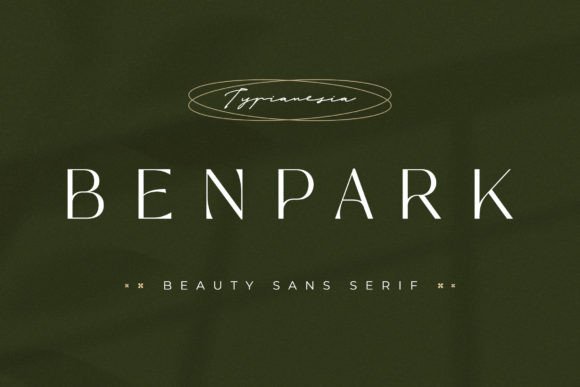
Brooklyn: The Modern Sans Serif for Every Creative Project
When you’re building a brand, launching a new product, or designing a publication, the fonts you choose do more than just display words—they set a tone. A sans serif font like Brooklyn offers a clean, modern foundation that works quietly in the background while giving your entire visual system a sense of clarity and cohesion. It’s the kind of typeface that doesn’t demand attention but earns it through versatility and elegance.
What Makes Brooklyn Stand Out?
Brooklyn is a minimal and neat sans serif font, designed with simplicity and balance in mind. Its letterforms are unadorned, with even strokes and open counters that create a friendly, approachable feel. The characters are well-proportioned, making it highly legible at both small and large sizes. Unlike some geometric sans serifs that can feel cold or overly technical, Brooklyn has a subtle warmth that makes it suitable for a wide range of applications.
Its personality is adaptable—it can come across as professional and authoritative in a corporate context, yet still feel fresh and contemporary in creative projects. The overall appeal lies in its neutrality; it doesn’t impose a strong stylistic opinion, which allows it to blend seamlessly with other design elements, whether they’re serif fonts, script fonts, or handwritten fonts.
Where Brooklyn Shines: Real-World Applications
One of Brooklyn’s greatest strengths is its incredible versatility. It’s a creative font that can be matched to an incredibly large set of projects. Here are just a few areas where it excels:
- Brand Identity & Logo Design: Brooklyn provides a solid, recognizable base for logos and brand marks. Its clarity ensures your name is easily readable across different media, from business cards to signage.
- Editorial & Publishing Design: Use it for headlines, subheads, and body text in magazines, books, and reports. Its excellent readability makes it a practical choice for long-form content.
- Web & Digital Design: Brooklyn works beautifully in web design, app interfaces, and email templates. It renders crisply on screens and maintains its character across devices.
- Packaging & Product Design: Its neat appearance helps product labels and packaging look polished and organized, whether you’re designing for gourmet foods, cosmetics, or tech accessories.
- Social Media Graphics: Create cohesive and professional-looking posts, stories, and ads. Brooklyn ensures your text is legible even on small screens or busy backgrounds.
- Marketing & Advertising: From brochures and flyers to digital banners, this font helps maintain a consistent and trustworthy brand voice.
- Personal & Craft Projects: Hobbyists and crafters can use Brooklyn for DIY invitations, planners, worksheets, and home décor prints with a modern touch.
How Brooklyn Influences Your Design Outcomes
Choosing a typeface like Brooklyn isn’t just an aesthetic decision—it directly impacts how your audience perceives and interacts with your content. Here’s how it can elevate your work:
Readability and Visual Hierarchy: Brooklyn’s clear letterforms and consistent spacing create a smooth reading experience. When used in headings, it establishes a strong hierarchy that guides the viewer’s eye through your content logically.
Brand Perception and Professionalism: A well-chosen premium font like Brooklyn signals attention to detail and quality. It helps build a brand identity that feels modern, reliable, and intentional—key traits for entrepreneurs and small business owners looking to establish credibility.
Consistency Across Platforms: Because Brooklyn is so adaptable, you can use it across all your touchpoints—website, social media, print materials, and merchandise—without losing visual coherence. This consistency strengthens brand recognition and trust.
Audience Engagement: Clean, readable typography reduces cognitive load, allowing your message to come through clearly. When text is easy to read, people are more likely to stay engaged, whether they’re reading a blog post, a product description, or a call to action.
Practical Tips for Working with Brooklyn
Ready to incorporate Brooklyn into your next project? Here are some practical considerations to get the best results:
- Evaluate Project Fit: Brooklyn is a versatile sans serif typeface, but consider whether its neutral style aligns with your project’s mood. It’s ideal for modern, clean, and professional designs, but if you need a highly decorative or expressive font, you might pair it with something more distinctive for headlines.
- Test Font Pairings: Brooklyn works exceptionally well with contrasting fonts. Try pairing it with a serif font for a classic look, or with a script font for a touch of elegance. Always test pairings in context to ensure they complement rather than compete.
- Review Included Styles: Check what weights and styles are available (e.g., Regular, Bold, Italic). Using multiple weights from the same family is an easy way to create visual hierarchy without introducing another font.
- Check Readability in Context: Always test Brooklyn at the size and in the environment where it will be used. Print a sample, view it on different screens, and ensure it remains legible for your target audience.
- Understand Commercial Licensing: If you’re using Brooklyn for client work, products for sale, or large-scale distribution, confirm the commercial font license covers your intended use. Most premium fonts come with clear licensing terms for different scenarios.
Brooklyn is more than just another sans serif font—it’s a design asset that can help unify your creative vision. Its strength lies in its ability to adapt, support, and enhance without overwhelming. Whether you’re a designer crafting a brand identity, a marketer developing campaign materials, or a blogger refining your site’s look, adding Brooklyn to your toolkit is a practical step toward creating work that feels polished, professional, and distinctly yours.