Minimalist: The Sans Serif Font That Elevates Any Project
There's a certain power in restraint. In a world saturated with noise, the projects that often communicate most effectively are those built on clarity and intention. This principle is the core of Minimalist, a premium sans serif font designed not just to be seen, but to be understood. It’s a typeface that embodies the philosophy of its name, offering a clean, neat, and versatile foundation for a vast range of creative work. If you're looking for a font that works with your ideas rather than competing with them, Minimalist is a design asset worth exploring.
The Anatomy of Clarity: Understanding Minimalist's Visual Style
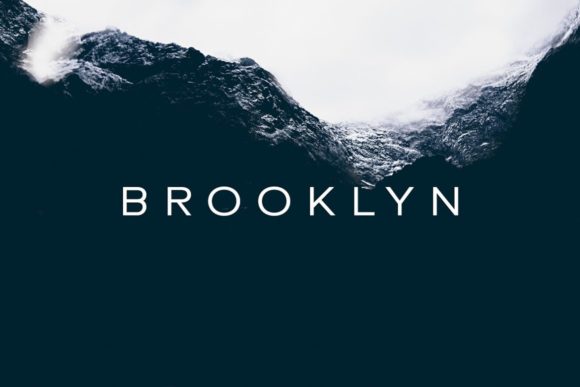
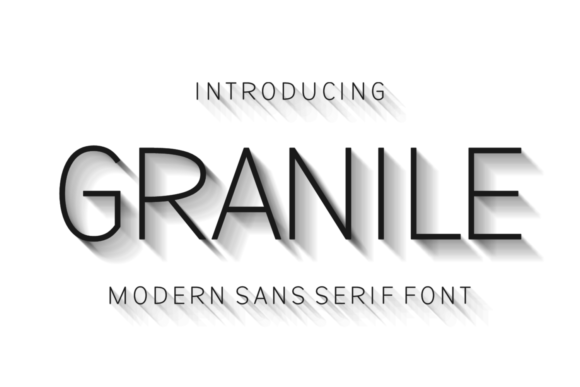
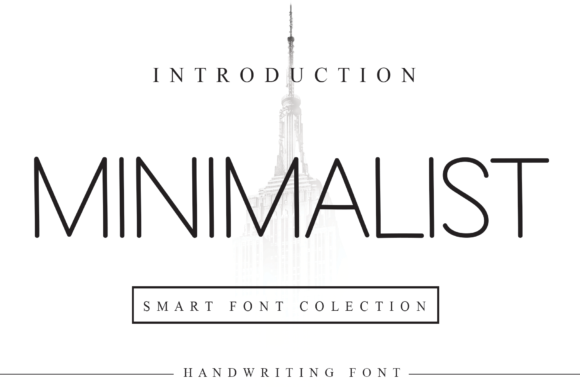
At first glance, Minimalist presents itself with an unassuming confidence. It’s a modern sans serif, characterized by clean lines, balanced proportions, and an absence of the decorative serifs found in more traditional typefaces. This simplicity is its greatest strength. The letterforms are crafted with a geometric precision that feels both contemporary and timeless, avoiding trendy quirks that might date your designs quickly. The overall personality is one of quiet sophistication—professional without being cold, and stylish without being loud.
This makes it an incredibly adaptable creative font. Its neutrality allows it to step into the background, letting your message, imagery, or product take center stage. Yet, its inherent quality ensures it always contributes a layer of polish and professionalism. Think of it as the perfect white space in a layout: it’s not just empty, it’s an active element that gives everything else room to breathe and be appreciated. This quality is crucial for establishing a strong visual hierarchy in any design, from a complex magazine spread to a simple social media graphic.
Where Minimalist Truly Shines: Practical Applications
The true test of any typeface is its performance in the real world. Minimalist’s versatility makes it a reliable choice across an impressive spectrum of projects. Its clean aesthetic is perfectly suited for modern typography demands, where legibility on screens and in print is paramount.
For Brand Identity and Logo Design: A brand’s typeface is a cornerstone of its identity. Minimalist offers a stable and recognizable foundation. For startups, tech companies, lifestyle brands, or any business wanting to project an image of efficiency and modern appeal, it’s an excellent choice for logos, wordmarks, and primary brand typography. Its legibility ensures your brand name is clear at any size, from a tiny favicon to a large billboard.
In Editorial and Web Design: Readability is king in publishing, whether for a blog, a digital magazine, or a print report. Minimalist’s well-spaced characters and clear letterforms make body text comfortable to read over long periods. As a display font for headlines, it can be set in bold or uppercase weights to create striking, impactful titles that draw the reader in. Its consistency across a publication fosters a sense of cohesion and professionalism.
For Marketing and Packaging: In the fast-paced environments of social media graphics and advertising, clarity wins. Minimalist ensures your call-to-action is understood instantly and your key message isn't lost in a decorative script font. For packaging design, it provides a clean canvas that allows the product to speak for itself, while still looking premium and intentional on a crowded shelf.
Personal and Commercial Use: The utility extends to entrepreneurs and small business owners creating their own materials. From business cards and invoices to Etsy shop banners and product labels, using a consistent, high-quality commercial font like Minimalist instantly elevates the perceived value of your offerings. It’s a tool that helps bridge the gap between a hobbyist project and a professional brand.
Working with Minimalist: A Practical Guide
Choosing a font is a strategic decision. Here’s how to evaluate and implement Minimalist effectively in your next project.
Evaluate the Fit: Consider your project’s core message. If it requires a whimsical, handcrafted, or highly expressive tone, a handwritten font or an ornate serif font might be more appropriate. Minimalist excels when the goal is clarity, modernity, and trust. It’s the workhorse in your design assets library—reliable for a multitude of tasks where communication is the priority.
Master the Font Pairing: A single font can carry a design, but strategic pairings create depth and interest. Minimalist is a fantastic team player. For a classic, readable combination, pair it with a complementary serif font for body text or headlines. For a more dynamic contrast, consider using it alongside a subtle script font for accents, ensuring the script is used sparingly to maintain readability. The key is to let Minimalist handle the heavy lifting of clear information while the partner font adds personality.
Explore the Included Styles: A robust premium font family often comes with a range of weights and styles—light, regular, medium, bold, and italic variations. Take time to review these. Using a light weight for large, airy headings and a bold weight for key terms creates a sophisticated typographic system without introducing another typeface. This builds consistency and streamlines your workflow.
Prioritize Readability: Always test your chosen weight and size in context. For body text on screens, ensure there’s adequate contrast and line spacing. For print, consider the paper stock and printing method. Minimalist’s design is inherently legible, but your implementation is what ensures a flawless reading experience for your audience.
Understand the License: Since Minimalist is a commercial font, ensure you acquire the appropriate license for your use—whether for a single computer, a team, or for use on a website via @font-face. This protects both you and the font creator, and is a standard professional practice.
In the end, Minimalist is more than just a collection of glyphs. It’s a strategic tool for clear communication. By integrating this sans serif font into your creative process, you’re not just choosing a style; you’re adopting a principle of design that values clarity, functionality, and timeless appeal. It’s the quiet confidence that helps your best ideas stand out.