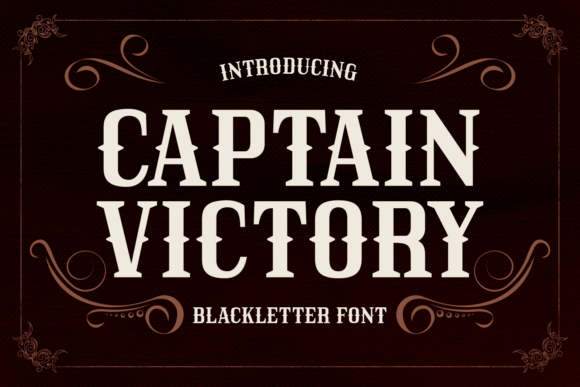
Captain Victory: A Blackletter Typeface for Bold Autumn Narratives
There's a particular feeling that arrives with the first crisp days of autumn—a shift toward richer textures, deeper colors, and stories with a bit more weight. In the world of typography, few styles capture that transitional mood as effectively as a well-crafted blackletter. Captain Victory enters this space not as a historical relic, but as a premium font designed for contemporary creators. It blends the stark, authoritative presence of gothic script with the precision required for modern brand identity and editorial design. This isn't a font for whispering; it's for making a declaration.
Anatomy of Authority: Understanding the Font's Character
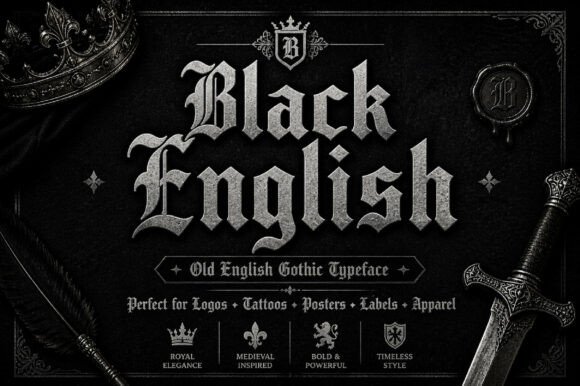
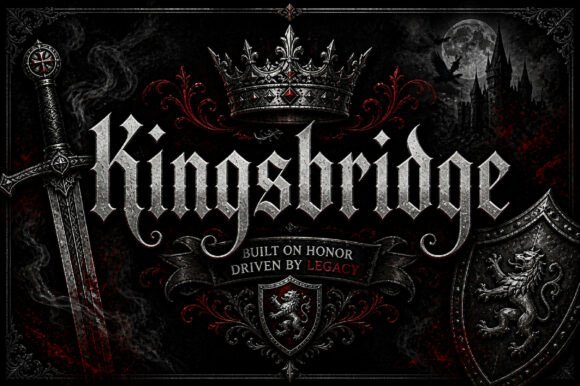
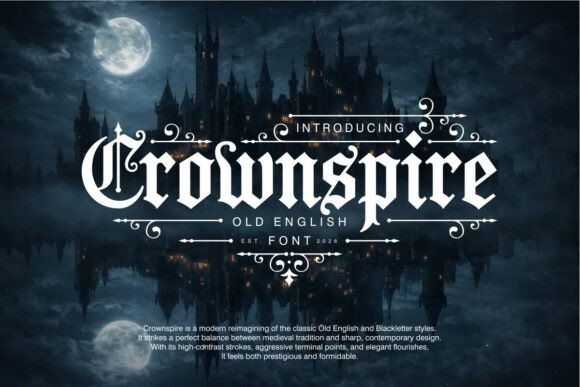
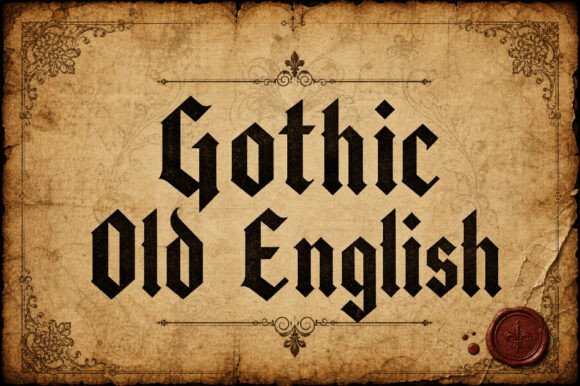
At first glance, Captain Victory commands attention. Its letterforms are built on the foundational principles of blackletter—sharp, angular strokes and a strong vertical rhythm that creates a dense, textured block of text. However, its execution is clean and legible, a critical distinction from more ornate, historical scripts. The typeface carries the gravitas of Victorian-era shipping ledgers and nautical charts, evoking a sense of established tradition, adventure, and meticulous record-keeping. This makes it an exceptionally versatile display font, ideal for headlines, logos, and any context where a project's voice needs to be immediately distinctive and resonant.
Its personality is one of confident strength. It doesn't rely on flourishes or decorative swirls. Instead, its power comes from its structural integrity and the bold, consistent weight of its strokes. When set in a headline, Captain Victory creates a strong visual anchor, providing a clear point of entry for the viewer's eye. This quality is invaluable in web design for hero sections, in packaging design for shelf presence, and in social media graphics where stopping the scroll is paramount. It’s a creative font that serves a functional purpose: to establish hierarchy and draw focus.
Practical Applications: Where Strength Meets Strategy
Knowing a font looks powerful is one thing; understanding where to deploy it is where the real strategy begins. The strength of Captain Victory lies in its application as a tool for contrast and emphasis. It is rarely the right choice for body copy, but it excels as a partner to more neutral typefaces.
- Branding & Logo Design: For brands in the craft beverage, artisan goods, heritage apparel, or independent publishing spaces, this typeface can form the core of a memorable logo design. It communicates craftsmanship, durability, and a story worth telling. Think of a craft brewery's label or the masthead of a literary journal—Captain Victory provides an instant sense of established credibility.
- Editorial & Publishing: In magazine layouts, book covers, or event posters, using this font for chapter titles or feature headlines creates immediate visual impact. It sets a tone that is both classic and assertive, perfect for themes of history, adventure, or mystery. Paired with a clean serif font or a simple sans serif font for subtitles and body text, it establishes a clear and engaging visual hierarchy.
- Digital & Social Media: A bold header using Captain Victory can transform a standard Instagram graphic or a website banner. It adds a layer of professionalism and intentional design, helping content stand out in a crowded feed. Its strong silhouette ensures readability even at smaller sizes when used for key phrases.
- Packaging & Product Design: On a product label, box, or tag, this typeface acts as a stamp of quality. It suggests the product inside has a story and is made with care. This is particularly effective for seasonal autumn releases, where the font's inherent warmth and strength align perfectly with the market's mood.
The key is to use Captain Victory strategically. It should be the loudest voice in the room, supported by quieter, complementary typefaces. This approach prevents visual fatigue and ensures the font's impact is felt, not just seen.
Integrating Captain Victory: A Designer's Checklist
Adopting a new display font into your design assets requires thoughtful evaluation. Here’s a practical guide to determining if Captain Victory is the right fit for your project and how to implement it effectively.
Evaluating Project Fit
Ask yourself: Does my project's narrative involve tradition, strength, craftsmanship, or a historical undertone? If the answer is yes, this font is a strong candidate. It’s less suited for ultra-modern, minimalist, or playful themes where a script font or geometric sans serif would be more appropriate. Review the font's full character set. Does it include the punctuation, numerals, and language support your project requires? A thorough check prevents headaches during production.
Mastering the Font Pairing
This is where Captain Victory truly shines. Its complexity demands a simple partner. For a balanced and readable design, pair it with:
- A Neutral Serif: Fonts like Garamond, Baskerville, or a contemporary serif provide a classic, readable counterpoint for body text, creating a sophisticated, literary feel.
- A Clean Sans Serif: Helvetica, Arial, or a humanist sans serif offer a stark, modern contrast. This pairing feels crisp and authoritative, ideal for corporate or tech-adjacent brands wanting a touch of heritage.
- A Simple Handwritten Font: For a more personal, artisanal vibe, pairing with a legible handwritten font can soften the blackletter's intensity, making it feel more approachable for a niche audience.
Always test your pairings in context. Create a mockup of your intended layout—a business card, a web page, a book cover—to see how the fonts interact in terms of size, weight, and spacing.
Readability and Licensing
As a commercial font, Captain Victory comes with licensing terms. Determine if you need a license for desktop use (for print materials, logos), web use (for embedding in a site's CSS), or both. Most foundries offer clear options. Regarding readability, remember its primary role is as a display typeface. Use it for headlines, subheads, and short, impactful phrases. Avoid setting long paragraphs in it, as the dense, textured blocks can strain the eye. Ensure adequate line spacing (leading) and letter spacing (tracking) to give the characters room to breathe, even in a headline.
In the end, a typeface like Captain Victory is more than a collection of glyphs. It's a design tool with a specific voice. Used with intention, it can elevate a project's brand perception, create instant recognition, and engage an audience with a narrative of strength and authenticity. As the leaves turn and projects take on a deeper focus, having such a robust typeface in your toolkit ensures your designs speak with the confidence the season demands.