Iron Gothic: A Typeface Forged in Tradition
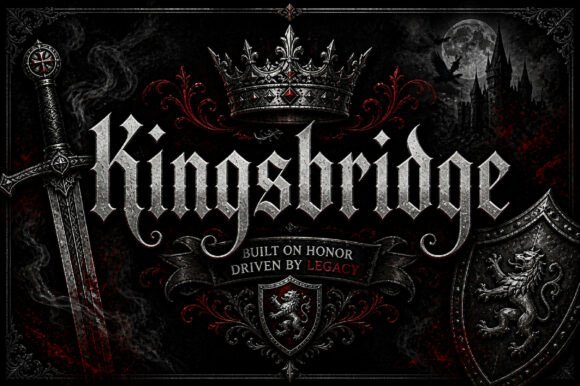
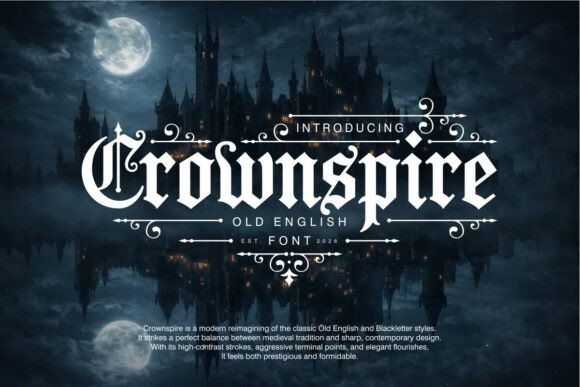
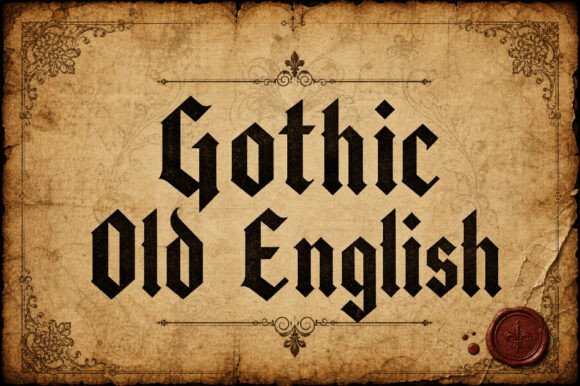
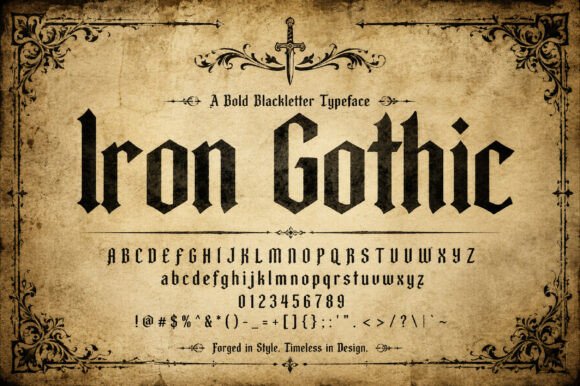
When you encounter Iron Gothic, you aren’t just seeing a typeface; you are witnessing a piece of craftsmanship that bridges centuries. This is a blackletter font that refuses to be ignored, blending the solemnity of medieval script with the structural integrity required for modern design. It captures the essence of a master blacksmith’s work—every curve is deliberate, every terminal is sharp, and the vertical strokes possess a rhythmic strength that anchors the page. For designers and business owners seeking to inject a sense of heritage and unyielding authority into their visual identity, Iron Gothic offers a solution that feels both ancient and undeniably fresh.
The visual personality of Iron Gothic is defined by its balanced visual weight and classic posture. Unlike some blackletter faces that can feel overly ornate or difficult to decipher, Iron Gothic prioritizes clean modern structure. It respects the calligraphic roots of the genre but strips away the noise. This makes it a versatile premium font choice for anyone who wants the aesthetic of tradition without sacrificing the clarity needed for effective communication. It is a typeface that commands attention, transforming ordinary headlines into statements of polished prestige.
Where to Deploy This Bold Blackletter Typeface
Understanding where a specific typeface shines is half the battle in design. Iron Gothic is not a body text workhorse; it is a display font designed for impact. Its high-contrast strokes and sharp details make it ideal for projects where the text is the hero.
Consider the world of packaging design. If you are working on artisanal spirit labels, craft beer branding, or high-end heritage goods, Iron Gothic provides an immediate signal of quality. It tells the consumer that the product inside is crafted with care. Similarly, in logo design, this font can establish a brand identity that feels established and trustworthy from day one. It works exceptionally well for bespoke tavern signage, tattoo studios, or high-end barbershops—venues that pride themselves on old-world craftsmanship.
Beyond physical goods, editorial design and web design also benefit from this font’s character. Imagine a magazine cover for a history publication or a website header for a metalwork artist. Iron Gothic cuts through the digital noise, offering a tactile quality that serif fonts or sans serif fonts often lack. It is also a powerful tool for social media graphics, particularly for creators in the gaming, fantasy, or rock music niches who need a visual shorthand for intensity and edge.
Mastering Visual Hierarchy and Brand Perception
A font is more than just letters; it is a psychological cue. Using Iron Gothic influences how your audience perceives your brand before they even read a word. The sharp terminals and vertical strokes evoke stability and permanence. This creates a visual hierarchy that guides the viewer’s eye, establishing a tone of professionalism and seriousness.
When you use this creative font, you are leveraging modern typography to build recognition. In a sea of generic sans-serifs, Iron Gothic makes your headlines memorable. However, legibility must be managed. Because of its distinct style, it is best used for short bursts of text—headlines, logos, or pull quotes. For the supporting text, you need a complementary partner. A clean, geometric sans serif font or a simple, readable serif font often pairs best, allowing the complexity of Iron Gothic to stand out without overwhelming the reader.
Practical Guidance for Implementation
Before integrating Iron Gothic into your next project, a few practical steps will ensure success. As with any commercial font, licensing is your first checkpoint. Ensure you have the correct license for your specific use case, whether it is for a single logo, a run of merchandise, or a digital publication.
Next, evaluate the specific styles included in the font family. Does it offer bold or condensed variations? Understanding the range of your design assets allows for more dynamic layouts. Test your font pairing early in the process. Because Iron Gothic has such a strong personality, it can clash with other decorative fonts. Try pairing it with a neutral script font or a handwritten font to soften the edges, or stick to stark minimalism with a sans-serif for a high-contrast look.
Finally, test for readability across different mediums. A headline that looks majestic on a desktop screen might lose its nuance on a mobile device if the tracking is too tight. By respecting the font's structural requirements, you ensure that your message is delivered with the same precision with which it was forged.