Tuscany Shade: A Modern Serif for Creative Professionals
When you're building a brand, every detail matters. The font you choose for your logo, your packaging, or your website isn't just a set of letters—it's the voice of your business. It's the first impression and the lasting memory. For projects that demand elegance, contrast, and a touch of contemporary sophistication, the right serif font becomes an indispensable tool. This is where a typeface like Tuscany Shade enters the conversation, offering a versatile and stylish foundation for a wide array of creative work.
Anatomy of an Elegant Serif
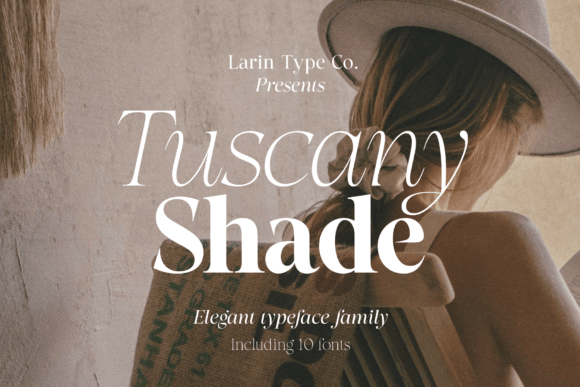
Tuscany Shade is a contrast serif font family. This means it features a noticeable difference between its thick and thin strokes, a hallmark of classic, high-contrast typography. This dynamic gives it a sense of rhythm and visual interest, making it far from a plain, utilitarian serif. The overall personality is one of refined modernity—it respects traditional typographic forms but presents them with a clean, updated sensibility. It's a premium font that feels both timeless and fresh.
The family is substantial, including regular and true italic styles, each with five weights ranging from extra light to bold. This range is critical for establishing a visual hierarchy in your designs. You can use the lighter weights for elegant subheadings or body text, and the bold weight for impactful headlines that command attention. The true italics aren't just slanted versions of the regular; they are redesigned with unique, flowing letterforms, adding a layer of authenticity and grace when you need to emphasize text or create a softer tone.
Practical Applications: Where Tuscany Shade Shines
Understanding a font's character is one thing; knowing where to apply it is what brings real value. Tuscany Shade's blend of classic structure and modern clarity makes it a multi-purpose display font with surprising versatility.
- Brand Identity & Logo Design: For businesses in fashion, beauty, luxury goods, or high-end services, this typeface can form the core of a brand identity. Its elegance conveys quality and professionalism. A logo set in Tuscany Shade Bold, for instance, feels confident and established, while a lighter weight can suggest approachability and modernity.
- Editorial & Publishing: In editorial design for magazines, book covers, or blogs, it excels. Its readability at smaller sizes makes it suitable for pull quotes or chapter headings, while its striking contrast ensures cover titles stand out. It pairs well with clean sans serif fonts for body text, creating a balanced and engaging layout.
- Packaging & Advertising: The font's strong personality makes it ideal for packaging design. Think artisanal food labels, cosmetic boxes, or boutique product tags. It immediately signals a curated, thoughtful product. In advertising and social media graphics, it can create sophisticated banners and headlines that stop the scroll without shouting.
- Digital & Web Design: While primarily a display font, Tuscany Shade's legibility makes it a strong candidate for website headings, hero section titles, and important navigation elements in web design. It brings a level of sophistication that can elevate a site's entire aesthetic, especially for portfolios, online boutiques, and creative agency sites.
- Personal & Creative Projects: For crafters, bloggers, and hobbyists, it's a valuable design asset. Use it for stylish invitations, resume headings, presentation templates, or even custom artwork. Its versatility means one font family can cover numerous personal projects with a consistent, professional look.
Making It Work: Guidance for Your Project
Choosing a font is a strategic decision. Here’s how to approach integrating a creative font like Tuscany Shade into your workflow effectively.
Evaluate the Fit: Before you commit, consider your project's core message. Does "elegant, contrast, modern" align with what you're communicating? It's a superb fit for a brand identity that wants to feel both trustworthy and stylish. It might be less suitable for a children's party flyer or a tech startup aiming for an ultra-minimalist, geometric aesthetic.
Test Font Pairings: No font is an island. The strength of a serif is often realized in its pairing with other typefaces. Tuscany Shade works beautifully with simple, geometric sans serif fonts for body copy. The contrast in structure (serif vs. sans-serif) and stroke weight creates a clear hierarchy. Avoid pairing it with other highly decorative script fonts or handwritten fonts, as they can compete for attention and create visual clutter. Let Tuscany Shade be the star.
Leverage the Styles: Don't just use one weight. Explore the full range. Use Extra Light for delicate accents, Regular for short descriptive text, and Bold for your primary headlines. The true italics are perfect for quotes, captions, or adding a nuanced emphasis. This approach creates a rich, professional typographic system for your project.
Consider Readability: As a contrast serif, it is designed for clarity at display sizes. For long blocks of body text, especially on screens, a simple sans-serif is usually more readable. Use Tuscany Shade for headlines, titles, logos, and short bursts of text where its character can be appreciated without causing eye strain.
Understand the License: As a commercial font, ensure you have the correct license for your intended use—whether it's for a client project, your own business merchandise, or digital products. Proper licensing is a non-negotiable part of professional design work.
In the end, selecting a typeface is about finding a voice that resonates with your audience. Tuscany Shade offers a compelling combination of classical elegance and contemporary function, making it a powerful tool in the hands of designers, entrepreneurs, and creators who value both style and substance in their visual communication.