Bronco Western: Capturing the Spirit of the Open Range
When you are building a visual identity, the typeface you choose does more than just display words; it sets a scene. For anyone looking to channel the grit of the desert, the nostalgia of classic cinema, or the rebellious spirit of the American frontier, Bronco Western stands out as a compelling choice. This isn't just another serif font; it is a design asset that carries a heavy load of character, transforming standard text into a visual statement.
The Anatomy of the Bronco Western Typeface
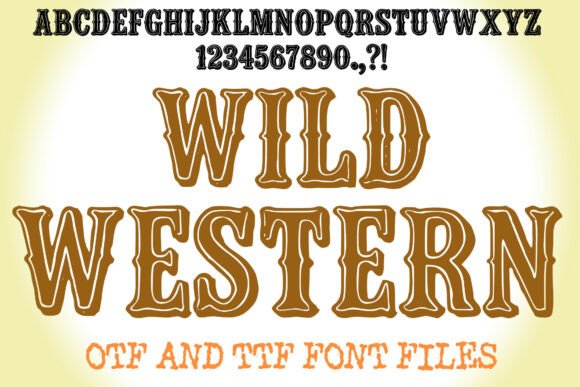
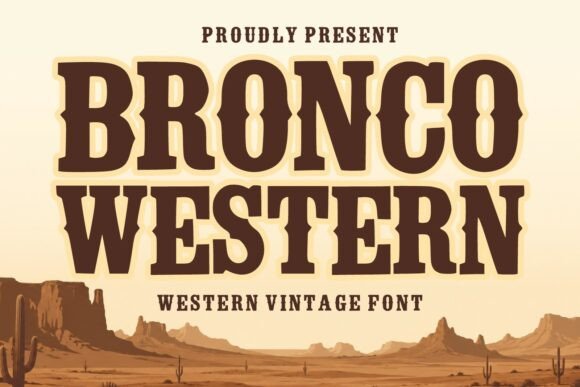
At its core, Bronco Western is a display font rooted in the tradition of slab serif typography. If you look closely at the letterforms, you will notice the thick, blocky terminals that define the "western" genre. These aren't sharp, modern edges; they feel weathered and robust, mimicking the look of old saloon signage or vintage wanted posters. The font features a distinct retro styling that balances boldness with legibility.
The personality of this typeface is undeniably rugged. It has a wide stance and heavy horizontal strokes that suggest stability and strength. However, it avoids feeling clunky. The spacing and kerning are designed to maintain a rhythm that is easy to read at larger sizes, which is essential for any premium font intended for headers and logos. Whether you are working on a logo design for a craft brewery or creating packaging design for artisanal jerky, the font brings an instant sense of authenticity.
Why Designers Are Turning to Vintage Aesthetics
There is a reason why vintage typography is making a massive comeback in modern design. In a digital landscape often dominated by clean, geometric sans-serifs, a font like Bronco Western offers a tactile, human element. It bridges the gap between the past and present. When used in social media graphics or web design, it cuts through the noise. It tells the viewer that the brand has roots, history, and a story to tell.
Strategic Applications for Maximum Impact
Understanding where to deploy Bronco Western is key to getting the best return on your investment. Because it is a high-impact display font, it is not suited for long blocks of body copy. Instead, its strength lies in headlines, pull quotes, and branding elements where personality needs to shine through immediately.
Here are several practical ways to integrate this typeface into your workflow:
- Branding and Identity: If you are launching a brand with a country, heritage, or outdoor theme, Bronco Western can serve as the cornerstone of your brand identity. It works exceptionally well for logos, business cards, and letterheads, giving the business an immediate sense of establishment.
- Apparel and Merchandise: The font is practically tailor-made for t-shirt designs and merchandise. Its bold structure holds up well on fabric and stands out on crowded shelves or online marketplaces.
- Event Marketing: Planning a rodeo, a country music festival, or a rustic wedding? This font captures the thematic essence instantly. Use it on posters, tickets, and banners to set the mood before the event even begins.
- Publishing and Editorial: For editorial design, such as magazine covers or chapter headings in a book, the font adds a layer of drama and intrigue. It suggests that the content inside is adventurous and worth reading.
Pairing Fonts for a Balanced Design
One of the most common questions regarding display fonts is: "What do I pair it with?" A typeface as distinct as Bronco Western needs a partner that complements rather than competes. Because Bronco Western has a strong personality, you generally want to pair it with something quieter.
A clean, geometric sans serif font often works best for body text. The neutrality of the sans serif allows the headers created with Bronco Western to pop without causing visual fatigue. Alternatively, if you are going for a more eclectic or artistic vibe, a subtle script font or handwritten font can be used sparingly for accents or sub-headers. This creates a nice contrast between the rigid structure of the slab serifs and the fluidity of the script.
When testing your font pairing, pay attention to the weight distribution. Since Bronco Western is heavy, your body text should likely be a lighter weight to create a clear visual hierarchy. This ensures that the reader’s eye is drawn to the most important information first—the headline—before moving on to the details.
Technical Considerations and Readability
From a technical standpoint, treating Bronco Western as a creative font means respecting its limitations. It is not optimized for small text sizes on screens. If you try to use it for footer text or legal disclaimers, the thick serifs might bleed together, hurting readability.
Always test the font in the specific medium where it will live. A commercial font license usually covers a wide range of uses, but you still need to ensure the rendering is crisp. On dark backgrounds (reversed out text), ensure the letter-spacing is generous enough that the characters don't merge into a solid white block. This is a common pitfall with bold vintage typography.
Elevating Your Projects with Authentic Character
Ultimately, the decision to use a typeface like Bronco Western comes down to the story you want to tell. If your project requires a modern, sterile, or ultra-minimalist look, this likely isn't the right fit. But if you need to convey strength, tradition, nostalgia, or a bit of edge, it is hard to find a better tool.
It works across a surprising variety of niches. We see it in packaging design for hot sauces, coffee roasters, and barbershops. We see it in digital design for podcasts covering history or true crime. The versatility lies in its ability to adapt to different contexts while maintaining its core "western" identity.
When you incorporate Bronco Western into your toolkit, you are doing more than downloading a file; you are adding a piece of history to your design assets. It allows small business owners and independent creators to achieve a level of polish and thematic depth that was once reserved for high-budget agencies. It proves that with the right typography, you can transport your audience anywhere—to a dusty trail, a bustling saloon, or a timeless landscape—simply by changing the font.