Marker Board: Your Friendly Handwritten Font for Creative Projects
There’s a certain warmth that a handwritten font brings to a design. It feels personal, approachable, and human. In a digital world full of sharp, geometric sans serif fonts and formal serif typefaces, a friendly script can cut through the noise. This is where a creative font like Marker Board finds its sweet spot. It’s a sweet and friendly handwritten font that manages to be both cute and incredibly versatile. Think of it as the digital equivalent of a warm, welcoming note written by a friend—it immediately sets a positive tone.
The appeal of Marker Board lies in its personality. It’s not overly polished or rigid, which gives it an authentic, casual vibe. Yet, it maintains a clean legibility that many script fonts struggle to achieve. This balance makes it a fantastic premium font choice for designers, entrepreneurs, and crafters who want to inject personality into their work without sacrificing professionalism. Whether you’re designing a wedding invitation, crafting a social media post, or building a brand identity, this typeface offers a lovely, approachable touch.
Visual Characteristics and Style
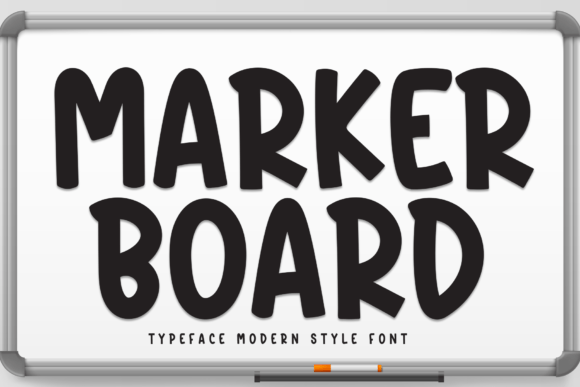
Visually, Marker Board mimics the look of text written with a felt-tip marker or a soft brush pen. You’ll notice smooth, flowing strokes with a natural, slight inconsistency in line weight. This subtle variation is what gives the font its organic, handmade feel. Unlike a formal script font that might look like copperplate calligraphy, Marker Board feels more relaxed and contemporary. It’s a modern typography take on classic handwriting.
The letterforms are designed with open counters and generous spacing, which greatly aids readability at various sizes. This is a crucial feature for any display font, but especially for a handwritten style. You can use it for headlines without worrying about the letters getting lost or tangled together. Its x-height is relatively tall, which helps the text feel grounded and easy to read even in shorter paragraphs. The overall style is friendly and inviting, making it perfect for projects aimed at a broad audience, from young families to sophisticated event planners.
Where This Font Shines: Practical Applications
So, where should you actually use Marker Board? Its versatility is one of its greatest strengths. Here’s a breakdown of projects where this font works exceptionally well.
Wedding Invitations and Event Stationery
This is a classic use case. The gentle, handwritten style of Marker Board is ideal for wedding invitations, save-the-dates, and thank you cards. It conveys romance, care, and a personal touch that formal serif fonts often lack. It pairs beautifully with elegant sans serif fonts for a modern, balanced look. Imagine the names of the couple in Marker Board, with the event details in a clean sans serif below—it creates a beautiful visual hierarchy.
Branding and Logo Design
For small business owners, especially in lifestyle, artisan, or food-related industries, a handwritten font can be a powerful branding tool. Marker Board can be used for a logo or as a secondary typeface in brand materials to communicate approachability and creativity. A bakery, a boutique craft shop, or a personal blog could use this font to build a brand identity that feels personal and trustworthy. It tells customers, “We’re real people, and we care about the details.”
Digital Content and Social Media Graphics
In the fast-paced world of social media, grabbing attention is key. Marker Board works wonderfully for Instagram quotes, Facebook graphics, YouTube thumbnails, and Pinterest pins. Its friendly style can increase engagement by making content feel more relatable and less corporate. It’s also a great choice for web design elements like call-to-action buttons or hero section headlines, where you want to draw the eye with a touch of personality.
Packaging and Editorial Design
Think about product packaging for gourmet foods, cosmetics, or handmade goods. Marker Board can add a charming, artisanal quality to labels and boxes. In editorial design, it can be used for pull quotes, chapter titles in a book, or section headers in a magazine to break up the monotony of body text. It adds a creative font option to your design assets that can make layouts feel more dynamic and engaging.
Making It Work: Practical Font Guidance
Choosing the right font is just the first step. Using it effectively is what truly elevates a design. Here’s how to get the most out of Marker Board.
Evaluating Fit and Readability
Before you commit, always test the font in context. A font that looks beautiful in a specimen sheet might not work for your specific project. For body text, Marker Board is best used sparingly—perhaps for a subheading or a short introductory paragraph. For longer text blocks, pair it with a highly readable sans serif or serif font. Always check how it renders at different sizes, especially on mobile devices for web design projects.
Font Pairing and Hierarchy
A strong font pairing is essential for creating visual hierarchy. Marker Board, as a display font, pairs well with more neutral typefaces. Try combining it with a geometric sans serif for a modern, clean look, or with a classic serif for a touch of timeless elegance. The contrast between the handwritten style and the structured partner font will guide the reader’s eye and make your layout more interesting.
Understanding the License
If you plan to use Marker Board for commercial projects—like client work, products for sale, or monetized content—you must ensure you have the correct commercial font license. Always review the license terms from the foundry or distributor. This protects you legally and supports the type designers who create these valuable tools. Many premium fonts come with clear licensing options for different use cases.
In the end, Marker Board is more than just another handwritten font. It’s a versatile design asset that can bring warmth, personality, and a human touch to a wide range of creative projects. Its friendly style helps build brand recognition and audience engagement in a way that feels genuine. By understanding its strengths and applying it thoughtfully, you can use this typeface to create designs that are not only beautiful but also deeply connected with your audience.