Simple Stylish: Elevating Your Design with a Handmade Brush Font Duo
There is a distinct quality that separates digital perfection from genuine artistry. In a landscape saturated with smooth, algorithm-generated vector shapes, the Simple Stylish font duo offers a refreshing return to human craftsmanship. This is not merely a set of characters; it is a meticulously created handmade brush font that radiates pure authenticity. When you look at the letterforms, you can almost feel the bristles of the brush and the texture of the paper used during its organic inception. For designers, entrepreneurs, and content creators, finding a typeface that balances raw energy with legibility is often a challenge. Simple Stylish bridges that gap, offering a tool that feels lived-in and real, yet polished enough for professional application.
The creative process behind this work of art respected its genuine roots. It was born from actual ink and paper, capturing the enticing texture that only physical media can provide. However, it was then refined into a versatile digital asset. The result is a premium font that brings a touch of originality and sophistication to your work without feeling sterile. Whether you are designing a logo for a new startup, laying out a magazine editorial, or creating social media graphics, the artistic charm of Simple Stylish provides an immediate visual anchor.
The Anatomy of Simple Stylish: Texture Meets Versatility
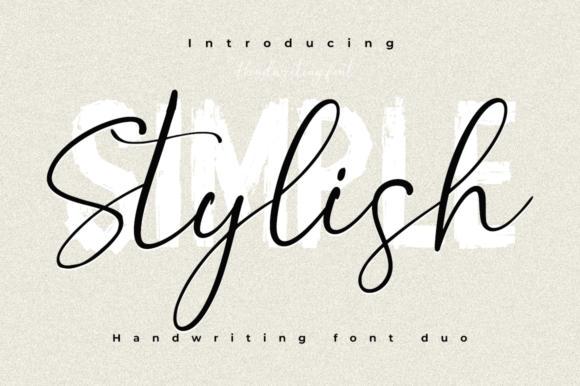
Understanding the visual characteristics of a typeface is crucial before implementing it in a project. Simple Stylish is best categorized as a display font, meaning it is designed to be used at larger sizes where its details can be fully appreciated. The defining feature here is the brush texture. Unlike a standard sans serif font that relies on uniform strokes, Simple Stylish features varied line weights and rough edges. This imperfection is intentional; it mimics the pressure and movement of a human hand.
The personality of this typeface is confident and approachable. It carries an energy that suggests creativity and movement, making it an excellent alternative to a traditional script font. While many handwritten fonts can look juvenile or difficult to read, Simple Stylish maintains a structural integrity that keeps it professional. It strikes a balance between the casual nature of a sketch and the boldness of a headline.
One of the most valuable aspects of this asset is that it is a font duo. This usually implies the inclusion of a secondary typeface—often a clean sans serif font or a complementary serif font—designed to pair perfectly with the main brush style. This inclusion simplifies the design process significantly. You do not have to spend hours hunting for a companion font; the legibility and contrast have already been curated for you. This duo functionality allows you to create complex visual hierarchy within a single design piece, using the brush font for impact and the companion font for readability.
Strategic Applications: Where Simple Stylish Shines
Knowing a font is pretty is one thing; knowing how to use it to drive results is another. As a creative professional, your choice of typeface influences how your audience perceives your brand. Simple Stylish is a versatile asset, but it excels in specific environments where authenticity is a key brand value.
Branding and Logo Design
In logo design, uniqueness is paramount. A logo must be memorable and distinct from competitors. Simple Stylish offers a bespoke look that many high-end brands pay thousands of dollars for in custom lettering. Because it is a handmade font, it avoids the "template" look that can plague new businesses. It works exceptionally well for brands in the lifestyle, wellness, fashion, and artisanal food sectors. If your brand identity relies on storytelling and a personal touch, this font communicates that message instantly.
Packaging and Editorial Design
Physical products rely on packaging design to grab attention on the shelf. The texture of Simple Stylish translates beautifully to print, especially on materials like kraft paper, matte finishes, or textured cardstock. The brush strokes add a tactile quality to the visual, making the packaging feel premium. Similarly, in editorial design—such as magazine headers or book titles—this font can break up the monotony of standard text blocks, drawing the reader's eye to key headlines.
Digital Presence and Web Design
While you should be cautious using textured fonts for body copy on screens, Simple Stylish is a powerhouse for web design headers. It adds personality to a landing page without sacrificing the site's load time or overall user experience. For social media graphics, where you have only a split second to stop a user from scrolling, the bold and artistic nature of a brush font creates that necessary pause. It is perfect for Instagram quotes, Pinterest pins, and YouTube thumbnails.
Technical Nuances: Readability and Hierarchy
A common misconception in modern typography is that decorative fonts cannot be functional. Simple Stylish challenges this by offering a structure that supports readability even with its artistic flair. However, as a designer, you must apply it correctly to ensure your message is received.
When using Simple Stylish, focus on visual hierarchy. Use the brush style for your H1 headers or focal points. Use the accompanying clean sans serif for sub-headers and body text. This contrast creates a rhythm that guides the reader’s eye naturally down the page. If you use the brush font for everything, the texture becomes overwhelming, and the text becomes difficult to scan.
Consider the background upon which the font is placed. Because Simple Stylish has an organic texture, it pairs best with clean, solid backgrounds or subtle, organic textures. Placing a rough brush font over a busy photographic background can create visual clutter. To maintain professionalism, ensure there is enough contrast between the font color and the background.
Practical Guide to Implementation and Licensing
Integrating a new design asset into your workflow requires a bit of technical diligence. Before you finalize a project using Simple Stylish, take the time to explore the full character set. High-quality premium fonts often include alternate characters, ligatures, and stylistic sets. Accessing these OpenType features can transform a standard headline into a custom piece of lettering. For example, swapping out a standard "t" or "r" for an alternate swash can add flair to a logo or wedding invitation.
When evaluating the fit for your project, print out samples or view them on various mobile devices. A font that looks great on a 27-inch monitor might lose its definition on a small smartphone screen. Test the font pairings included in the duo. Observe how the x-height of the brush font aligns with the companion font. Good font pairing is about harmony; the two styles should look like they belong to the same family tree.
Finally, you must address the commercial font licensing. This is a critical step for entrepreneurs and small business owners. A "free for personal use" license does not cover a logo for a business that sells products. Ensure you have the correct license for your intended use, whether it is for physical products (like t-shirts or mugs) or digital products (like website templates). Simple Stylish is a professional tool, and treating the licensing seriously protects both you and the type foundry that created it.
By choosing Simple Stylish, you are selecting a typeface that respects the history of lettering while serving the demands of contemporary design. It is a tool for those who want their work to feel genuine, human, and undeniably stylish.